Invisible Color Change Crochet
Invisible Color Change Crochet - Web if you need to make an invisible color change using a different stitch, the logic is exactly the same: Web in mastering the art of the invisible color change in crochet, you unlock a transformative skill that elevates your creations from mere handiwork to refined artistry. First, crochet your project to the point where you need to change colors. Your transition will be perfect.remember: Start the stitch normally (yarn over if you’re doing a half double crochet or a double crochet, for example) and only finish off the stitch with your new color. I used my reversible bee amigurumi pattern to demonstrate the color change. Web invisible color change (crochet video tutorial) for those of you who make amigurumi or crochet toys, you're often crocheting in the round. Following that a new hat pattern that requires both color changing and bobble. The trick to an invisible color change is all about smooth transitions. Web honestly, the color change that causes to show a big step in your work isn’t very satisying. Web in mastering the art of the invisible color change in crochet, you unlock a transformative skill that elevates your creations from mere handiwork to refined artistry. Now it’s time to practice ! With color 1, make a slip knot. Web prepare for invisible color change in crochet. The first step to the invisible color change is to finish of the first color with the invisible finish technique: Difference with the classic switching color method. Web the perfect color change in crochet toys for me, may not be the best color change for you! Your transition will be perfect.remember: Take your new color and yarn over the hook: Web learn how to change color in crochet for amigurumi to have no jagged lines and clean color transitions without using slip stitches.written tutorial: Dedicate time to practice this technique. The invisible color change is a technique that allows for a seamless transition between colors. Web learn how to do the invisible color change when crocheting in the round! And there you have it. Web written pattern & photo tutorial: A perfectly smooth color change. Web invisible color change (crochet video tutorial) for those of you who make amigurumi or crochet toys, you're often crocheting in the round. As you gracefully navigate the hues, each stitch becomes a nuanced brushstroke, contributing to a canvas of unparalleled elegance. First, as you approach the point where you want the color change, complete. The first step to the invisible color change is to finish of the first color with the invisible finish technique: Web i’ve tried many techniques in my crochet journey, and this one is for me the easiest one for a very satisfying result. It’s a good method when you’re in a hurry to finish your work but not when you. I used my reversible bee amigurumi pattern to demonstrate the color change. The invisible color change is a technique that allows for a seamless transition between colors. The most common finishing method when crocheting in a spiral is to join the last stitch of the round. Web in mastering the art of the invisible color change in crochet, you unlock. Web learn how to change color in crochet for amigurumi to have no jagged lines and clean color transitions without using slip stitches.written tutorial: Web how to make an invisible color change crocheting in the round. The most common finishing method when crocheting in a spiral is to join the last stitch of the round. Web prepare for invisible color. Web written pattern & photo tutorial: 🎨 whether you're a beginner or a seasoned crocheter looki. I most often use this method when i am making amigurumi projects. The invisible color change is a technique that allows for a seamless transition between colors. First, crochet your project to the point where you need to change colors. Web learn how to do the invisible color change when crocheting in the round! Your transition will be perfect.remember: This method creates even rows of color changes in your amigurumi or crochet project,. It involves finishing the last stitch with the new color and weaving in ends to avoid visible knots or tails. Now it’s time to practice ! First, as you approach the point where you want the color change, complete the last stitch of the old color, but don’t finish the final step. In written crochet patterns that use many colors each color is. The trick to an invisible color change is all about smooth transitions. I’ll be posting a bobble stitch how to soon as well.. Web if you need to make an invisible color change using a different stitch, the logic is exactly the same: In this tutorial i’ll show you how to make an invisible colour change in the round to crochet stripes for your amigurumi projects. The first step to the invisible color change is to finish of the first color with the. Web welcome to our crochet tutorial on mastering the elusive technique of the invisible color change! I’ll be posting a bobble stitch how to soon as well. Web changing colour using the standing single crochet (uk standing double crochet) once you have created the invisible join you can just join your new colour as if you were starting a whole. Following that a new hat pattern that requires both color changing and bobble. As you gracefully navigate the hues, each stitch becomes a nuanced brushstroke, contributing to a canvas of unparalleled elegance. And there you have it. In this tutorial i’ll show you how to make an invisible colour change in the round to crochet stripes for your amigurumi projects. In this video, i show you the four most popular ways for amigurumi. Pin this tutorial for later. Web learn how to change color in crochet for amigurumi to have no jagged lines and clean color transitions without using slip stitches.written tutorial: Web learn how to do the invisible color change when crocheting in the round! Web how to make an invisible color change crocheting in the round. Web if you need to make an invisible color change using a different stitch, the logic is exactly the same: Take your new color and yarn over the hook: The most common finishing method when crocheting in a spiral is to join the last stitch of the round. If you want to be a part of a crochet experience that brings you:. I used my reversible bee amigurumi pattern to demonstrate the color change. Web the perfect color change in crochet toys for me, may not be the best color change for you! It involves finishing the last stitch with the new color and weaving in ends to avoid visible knots or tails.
Crochet Invisible Colour Change YouTube
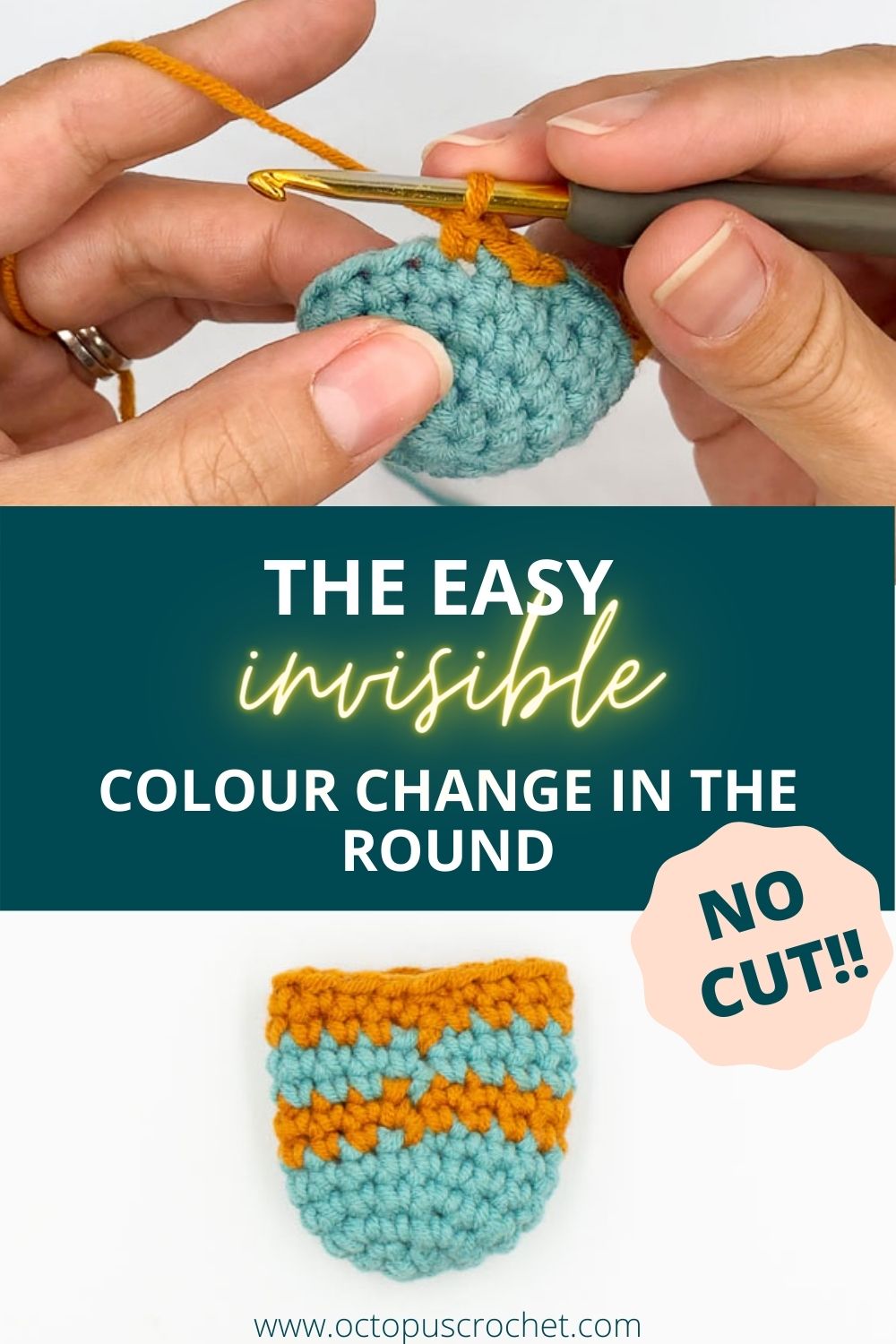
How to make an invisible colour change Octopus Crochet

Invisible color change in amigurumi how to crochet perfect stripes
![How to Change Color in Tapestry Crochet [using Sc] StepbyStep Guide](https://raffamusadesigns.com/wp-content/uploads/Tapestry_Crochet_How_to_Change_Color_on_Right_Side_Steps_3_4-1024x585.jpg)
How to Change Color in Tapestry Crochet [using Sc] StepbyStep Guide

Invisible Crochet Colour Change Crochet Stitch List YouTube
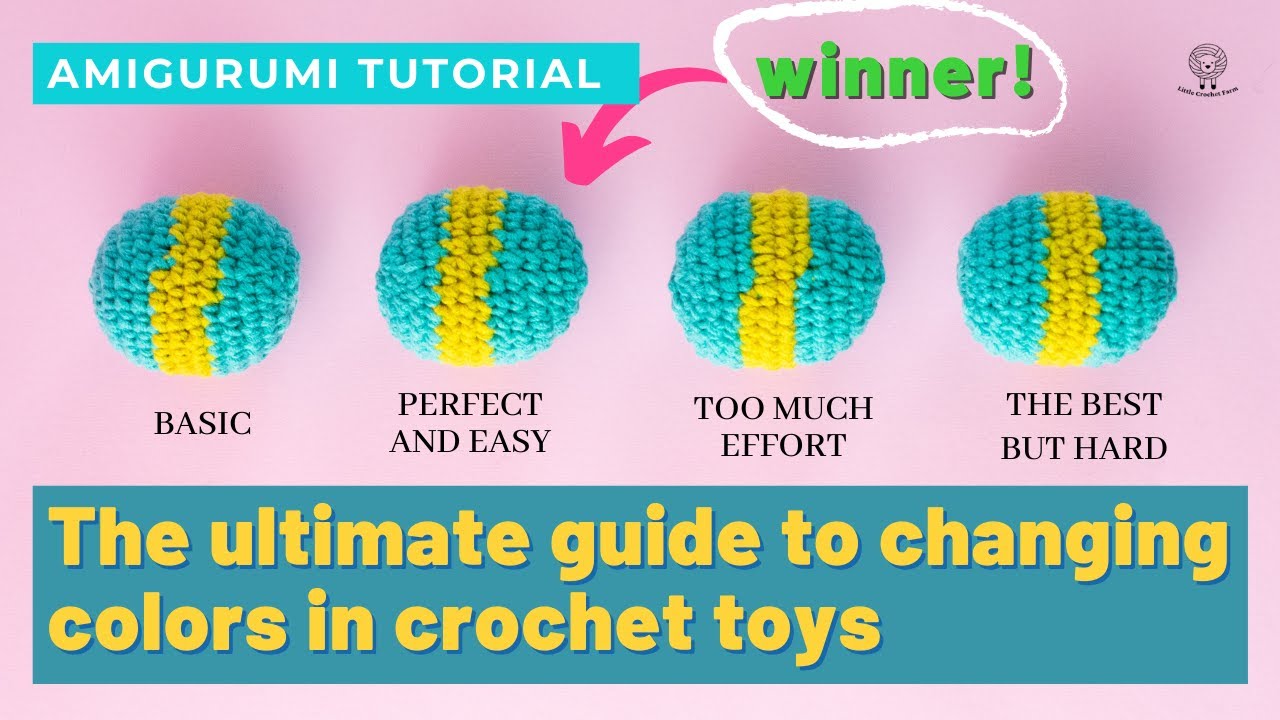
How to invisible color change in Amigurumi. The ultimate guide to

How to make an invisible color change crochet tutorial LaptrinhX / News

How to invisible color change in Amigurumi. The ultimate guide to

INVISIBLE color change / PERFECT color transition / how to crochet in a
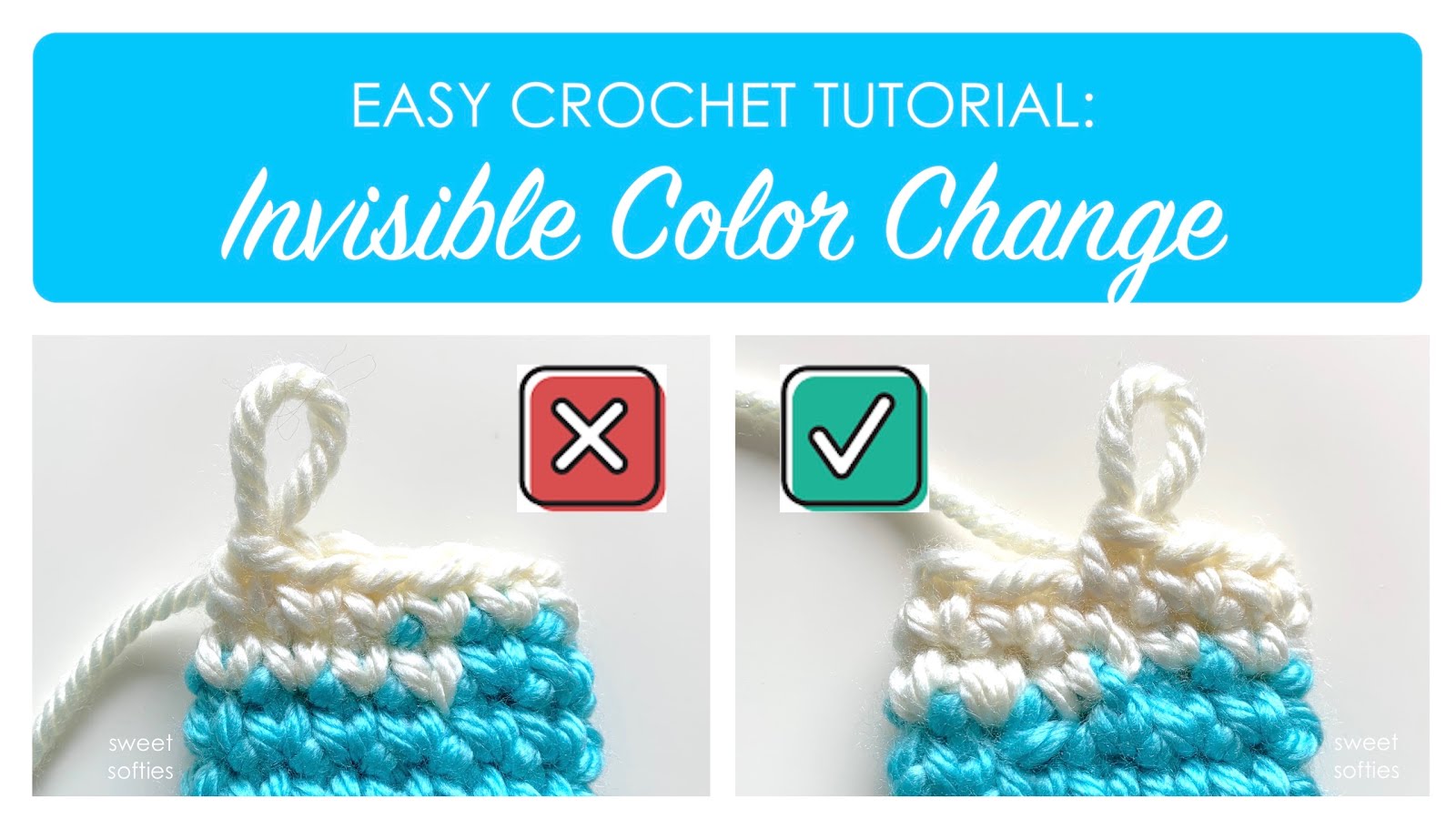
Invisible Color Change (Crochet Video Tutorial) Sweet Softies
With Color 1, Make A Slip Knot.
Web Welcome To Our Crochet Tutorial On Mastering The Elusive Technique Of The Invisible Color Change!
A Lot Of My Pattern Designs Require At Least 2 Colors, Especially For The Arm And Leg Pieces, And This Is My Favorite Way To Make The Color Change Almost Undetectable!
Now It’s Time To Practice !
Related Post: